

- Homecare View More
- Mobility View More
-
Paediatrics View More
- Walking Aids
- Standing Frames
- Special needs Trikes & Cycles
- Wheelchairs, Powerchairs & Accessories
- Strollers, Buggies and Joggers
- Car seats & In Car Safety
- Seating & Positioning
- Balance & Movement
- Orthopaedic Supports
- Activities & Games
- Outdoor play
- Writing
- Access IT, Ipads , Iphones and more..
- Early Years
- Physiotherapy View More
- Clinical
- Servicing Division

- Our Company
- Help With Funding
- News
- Contact Us

Tel: +44(0)28 9187 0033 Email: info@fredstorey.com
Multisensory suite for Southern Trust's Slieve Roe House Care Home
Thursday, November 21, 2013
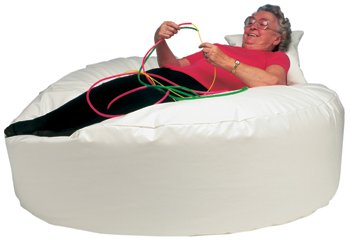
We are delighted to announce that thanks to the fundraising by Friends of Slieve Roe House care home and a grant from Funds for All; Slieve Roe Care Home, Kilkeel, County Down will soon be the roud owners of a fantastic multisensory package supplied by Fred Storey Ltd.
Their new sensory package is designed to be usable in various parts of the care home including individual residents rooms to givve comete flexibility of use. It includes a manoeuvrable and space-saving mobile sensory Wagon, Fibre optics, bubble tubes, projector, voice responsive technology, massage and vibration products, aroma dispenser and aromatherapy station, sound system, relaxation music specialist lighting, tactile products and more for a complete Multisensory experience.
Multi-sensory therapy provides stimulation, via the senses of touch, sight, hearing, smell and taste, and also vestibular and proprioceptive stimulation, as the patient moves about the room exploring the equipment.Its aim is to be a relaxing activity, designed ‘to create a feeling of safety, novelty and stimulation.
Various published research and anecdotal reports have suggested that multi-sensory therapy can have a positive effect on patients with dementia and related behavioural problems. . Research has indicated that multi-sensory therapy may have a positive effect on the mood of those with dementia, in terms of an increase in observers’ ratings of happiness, enjoyment and relaxation, and a reduction in sadness, fear and boredom (e.g., Moffat et al, 1993; Pinkney, 1997; Baker et al, 1998). These and other studies have also indicated that multi-sensory therapy may increase patients’ attentiveness to their environment ( Moffat et al, 1993; Baker et al, 1998; Spaull et al, 1998), increase appropriate communication ( Baker et al, 1998) and reduce the occurrence of socially disturbed and challenging behaviour ( Kragt et al, 1997; Spaull et al, 1998). Baker et al concluded that multi-sensory therapy is particularly appropriate for people with moderate or severe dementia, where more structured approaches may fail, and they reported that the staff involved felt that it promoted relaxation in agitated patients and stimulated unresponsive ones.
_12149_800xauto.jpg)